
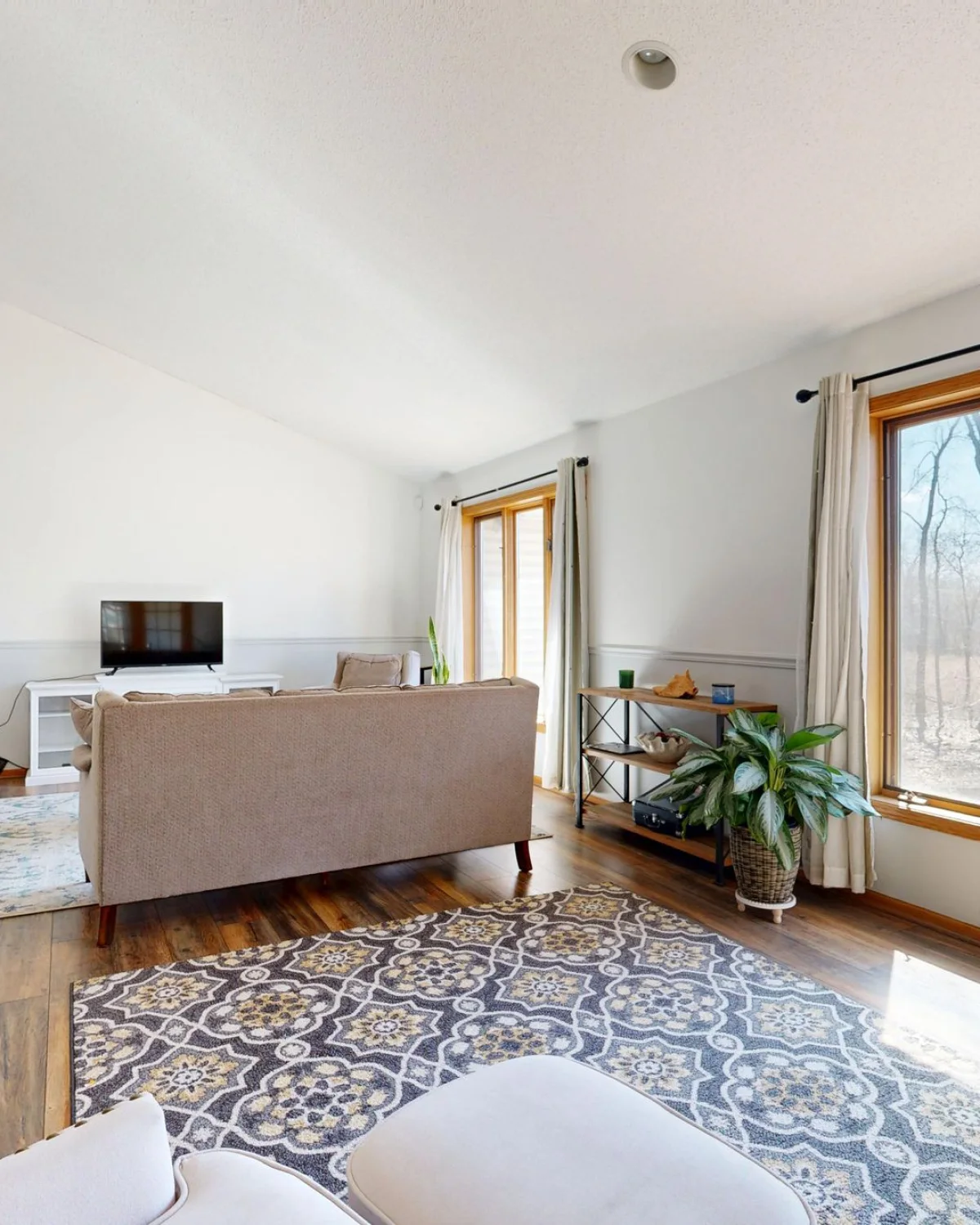
A successful property sale begins before the advertisement is published. It begins when scattered information becomes a clear property file that can be reviewed, explained, and marketed. Missing information about area, ownership, price, or condition creates repeated questions, delays, and loss of confidence.
Good preparation does not mean making a property appear unrealistically perfect. It means presenting correct information, showing the condition honestly, and deciding which matters should be repaired before marketing and which should remain visible for the buyer to assess.
Create One Property Information File
Information used for pricing, advertising, and viewings should be collected in one place. An old description or personal memory is not enough because apparently minor details may affect financing, registration, or buyer interest.
Written information should be checked against available documents and the physical property. Any point that has not yet been verified should be identified as pending rather than presented as confirmed.
- Property type and current use.
- Location, district, plan, and parcel information where available.
- Area, boundaries, frontages, and surrounding roads.
- Building age, floors, units, and parking.
- Services and installed equipment.
- Occupancy and existing leases where relevant.
- Known rights, restrictions, or obligations.
Review Condition Before Choosing Improvements
Not every improvement is necessary before sale. Priority should be given to conditions that prevent proper inspection or raise concern about the property, including visible leakage, essential service failure, unsafe elements, or excessive clutter.
Expensive improvements based on personal taste may not increase value by an equivalent amount. Compare the cost with its likely effect on clarity, safety, and marketability.
- Address known sources of leakage or moisture.
- Enable essential systems to be tested.
- Clean the property and remove obstructions.
- Repair dangerous or severely damaged items.
- Record defects that will remain at the time of sale.
- Do not conceal a material issue through cosmetic work alone.
Build a Defensible Asking Price
Pricing should begin with properties that are genuinely comparable in type, location, area, and condition. Advertised prices should be distinguished from completed transaction evidence where reliable information is available.
The highest advertisement in the area is not proof of value. The owner's historic cost or personal attachment should also not become the only basis for the asking price.
- Use properties from the same relevant category.
- Adjust for condition, age, frontage, and exact location.
- Consider leases, occupancy, or required vacancy.
- Set an asking price and a private negotiation limit.
- Review the price when response is weak or conditions change.
Prepare Photography and Public Copy
Photographs and description form the buyer's first filter. Photography should explain rooms and their relationship, while the description should provide the relevant facts without unsupported promotional claims.
Images should reflect the current condition. Older photographs, occupied rooms, or areas that were not photographed should be identified where they may affect understanding.
- Use clear daylight images without distortion.
- Arrange photographs from exterior and entrance through the interior.
- Show parking, access, and important spaces.
- Keep title documents and personal identity information out of images.
- Use a direct title and structured description.
- Avoid claims such as bargain or exceptional opportunity without evidence.
Separate Public Information from Private Records
The listing needs enough information to explain the property, but it does not require publication of owner details, document numbers, negotiation limits, or internal follow-up notes.
Private information should remain in a controlled internal file. Public material should contain only what supports an initial decision and what the owner has approved for publication.
- Do not publish identity or complete document numbers.
- Do not expose the owner's personal contact details without consent.
- Keep negotiation limits and internal comments private.
- Remove sensitive data from images and shared files.
- Control who can access ownership documents.
Organize Enquiries, Viewings, and Offers
After publication, record the source of each enquiry, viewing appointments, repeated questions, and offers. This information reveals whether the listing is clear and whether pricing or presentation needs review.
Explain essential conditions before a viewing, protect occupant privacy, and record the financial offer together with its conditions and expiry instead of relying on informal conversations.
- Qualify the enquiry before arranging access.
- Confirm the appointment and entry instructions.
- Record attendance and observations.
- Receive offers in written form.
- Separate price from payment, vacancy, and completion conditions.
- Do not treat an offer as final before verification and contract.
A Market-Ready Property Is Ready for Questions
When authority, information, condition, price, imagery, and privacy are clear, fewer surprises arise during viewings and negotiation. The objective is not to force a quick sale, but to create a listing that buyers can understand and owners can support with reliable information.
01
Practical Takeaways
- Confirm ownership and authority to act before marketing begins.
- Collect property information in one reviewable file.
- Separate necessary repairs from improvements unlikely to recover their cost.
- Base pricing on relevant comparables rather than personal expectations.
- Use photographs and descriptions that match the property's actual condition.
- Separate public listing information from owner data and internal notes.
- Record viewings, offers, conditions, and negotiation clearly.
02
Common Questions Before Marketing a Property
01 Should the property be completely renovated before sale?
No. Essential problems and matters affecting inspection or safety should be addressed. Cosmetic improvements should be assessed according to their cost and likely value.
02 Should I begin with the price I hope to achieve?
A stronger approach is to use comparable properties, condition, and actual response to set a defensible price and a reasonable negotiation range.
03 What information should remain private?
Owner identity details, complete document numbers, internal notes, negotiation limits, and files containing sensitive personal information.
04 Do professional photographs replace a viewing?
No. They support initial filtering, while a decision requires inspection and verification of condition, information, documents, and terms.
(Next Step)
Turn Your Criteria into a Clear Property Request
Share your requirements, budget, and preferred location so the available options can be organized with greater clarity.