
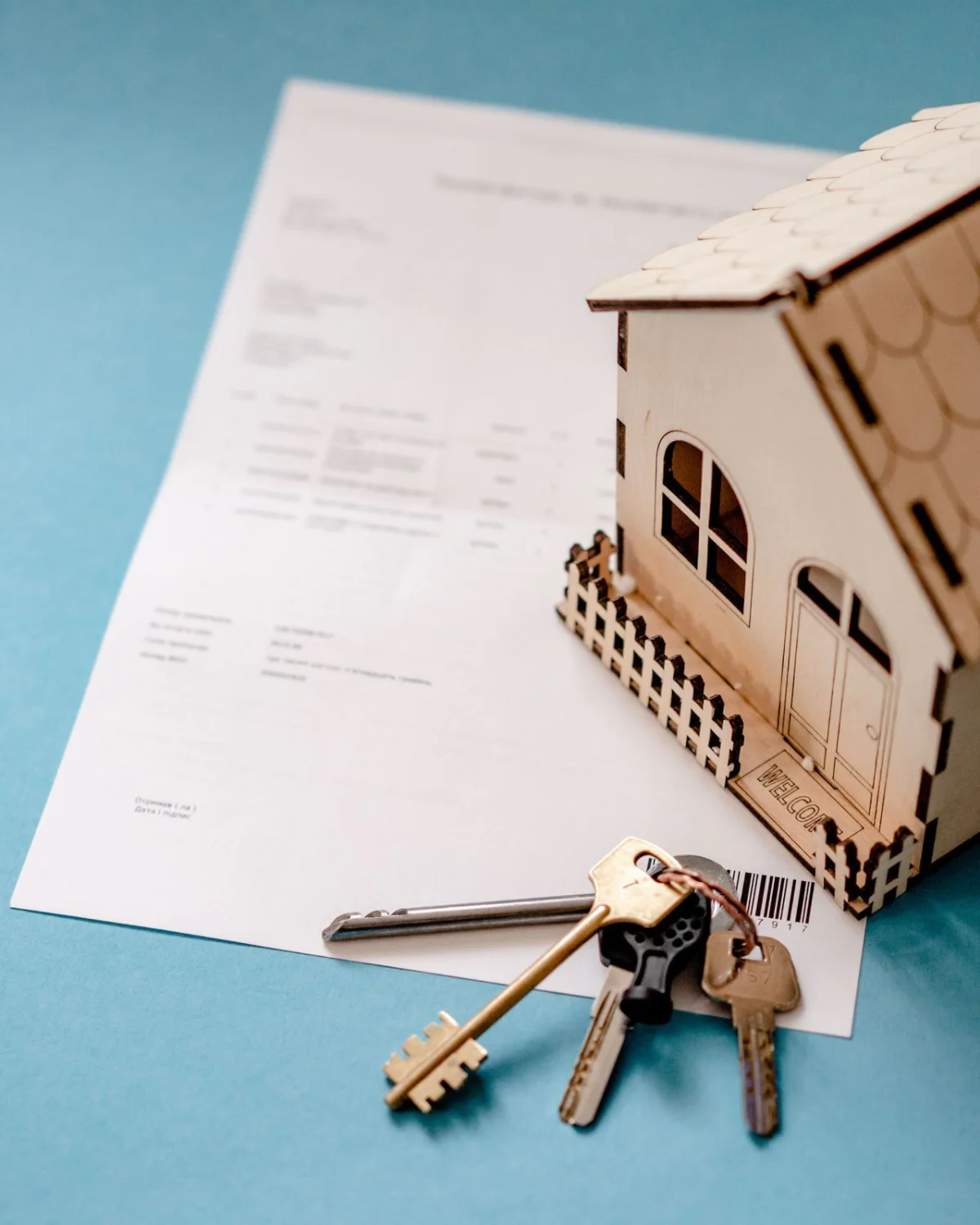
Viewing a property and knowing the asking price are not enough for purchase. Real estate is a registered right with a description, boundaries, area, use, and possible restrictions that may not be visible during a viewing. Serious review should therefore connect the documents with the owner, the property, and the proposed transaction.
No single document answers every question. Ownership documentation establishes important information, while the transaction may also require registry review, building-license verification, assessment of rights and restrictions, existing leases, and technical condition.
Identify the Document, Owner, and Acting Party
Begin by identifying the ownership document and the official channel through which it may be checked. Then match the registered owner or owners with the person presenting the property and signing any agreement.
Where an agent, representative, heir, or company is involved, the legal capacity and authority should be reviewed. Possession of a document copy does not by itself establish authority to sell.
- Document type, number, and date.
- Registered owner or owners.
- Agency or authority where another person acts.
- Required approval from partners or heirs.
- Identity information used for signing.
Use the Appropriate Official Verification Channel
The Saudi Ministry of Justice provides a service for checking property ownership documents using document information. The Real Estate Registry also provides ownership-document and property-information services for properties registered within its system.
The correct reference depends on the property's registration status. A screenshot or PDF shared in a conversation should not replace an independent check through the official source.
- Enter the document information in the official service.
- Compare the result with the copy provided.
- Review document, owner, and property status.
- Check the latest available information.
- Retain verification evidence in the transaction file.
Match the Registered Description with the Property
Review city, district, plan, parcel, area, boundaries, lengths, and frontages against the property that was viewed. A difference between the physical location and the registered description requires explanation before commitment.
A building sign, utility number, or map pin alone does not prove that the viewed property is the same property described in the ownership document.
- Plan and parcel number.
- Registered area.
- Boundaries and lengths.
- Roads and frontages.
- Units or portions included.
- Survey report where appropriate.
Review Rights, Restrictions, and Obligations
The registered owner name is not the end of the review. A property may be affected by a mortgage, usufruct, lease, easement, restriction, or other obligation influencing transfer, use, or delivery.
The proposed agreement should explain how each relevant matter will be discharged, accepted, or carried forward after completion.
- Mortgages and security rights.
- Usufruct and easement rights.
- Existing leases.
- Known regulatory or judicial restrictions.
- Shared-property obligations.
- Vacancy and delivery timing.
Check Building License and Permitted Use
For a developed property, the building license helps review core licensing information. Saudi Arabia's Balady platform provides a service for checking building licenses using license and owner information.
A license does not automatically confirm that every later addition matches the approved documentation. Existing floors, units, additions, and uses should be compared with the available records.
- License number and issuing authority.
- Licensed building type and use.
- Approved floors and units.
- Later additions or alterations.
- Occupancy or safety documents where applicable.
- Known violation or correction process.
Separate Document Review from Building Inspection
A valid ownership document does not guarantee that a building is free from defects. A physically attractive building also does not resolve a registration or authority problem. Both review streams are required.
Technical inspection addresses visible condition, systems, and likely repair cost. Legal and registry review addresses ownership, rights, obligations, and the ability to transfer the property.
- Moisture, leakage, and cracking.
- Electrical, water, and cooling systems.
- Deferred repairs and expected cost.
- Independent review of documents and rights.
- Do not confuse document validity with building quality.
Make the Deposit Conditional on Verification
Before paying a deposit or signing a binding commitment, identify the required documents, verification period, and conditions permitting completion. The agreement should also state what happens if a material discrepancy or registration obstacle appears.
Payments should use traceable channels and clearly identify the recipient, purpose, refund conditions, and treatment on completion.
- Precise property and transaction description.
- Documents and conditions required before completion.
- Verification period.
- Deposit treatment if completion is not possible.
- Payment channel and evidence.
- Registration and delivery timetable.
The Correct Document Must Lead to the Correct Property
A structured review connects four elements: the document, the owner, the physical property, and the proposed transaction. When those elements do not match, the difference should not be resolved through assumption or urgency. The process should pause for clarification and appropriate professional review.
Official Sources
- Property Ownership Document Inquiry — Saudi Ministry of Justice
- Real Estate Registry — Real Estate Registry
01
Essential Verification Checklist
- Verify the document through the appropriate official service rather than relying on a shared copy.
- Match the registered owner with the party negotiating and signing.
- Match area, boundaries, plan, and parcel information with the physical property.
- Review rights, restrictions, mortgages, and obligations rather than ownership name alone.
- Check the building license and use where the property contains a building.
- Treat legal document review and technical building inspection as separate processes.
- Make deposits and preliminary agreements conditional on verification and registration.
02
Common Questions About Property Documents
01 Is a title document sent through a messaging application enough?
No. It is only a starting point. Document, property, and owner information should be checked independently through the appropriate official source.
02 Does a valid ownership document confirm building condition?
No. Registration and ownership review are separate from technical inspection of the building and its systems.
03 What if the advertised area differs from the document?
Do not rely on the advertising figure. Review the ownership document, survey information, and physical property before agreeing price or proceeding.
04 Does a building license confirm every addition is approved?
Not necessarily. The current building should be compared with the license and any later approvals or corrective procedures.
05 When should a deposit be paid?
Only under clear written conditions linking completion to verification and registration and defining the result if a material issue prevents completion.
(Next Step)
Turn Your Criteria into a Clear Property Request
Share your requirements, budget, and preferred location so the available options can be organized with greater clarity.